The fires of Manikarnika are the most moving sight in Varanasi, and the one visitors most often get wrong. What happens at the ghat, why families travel across India to be here, and how to watch without intruding on the most private moment of someone's life.
The short answer
Manikarnika Ghat is Varanasi's principal cremation ground, where pyres burn day and night. Hindus believe that to die in Kashi and be cremated here brings moksha, release from rebirth. Visitors may watch quietly from a distance or from a boat, but should never photograph the dead or the mourners, should dress modestly, and should politely refuse anyone asking for money for wood.
Key points
- Cremations day and night, every day of the year
- Watch quietly, ideally from a boat
- Never photograph the dead or mourners
- Refuse 'wood donation' requests
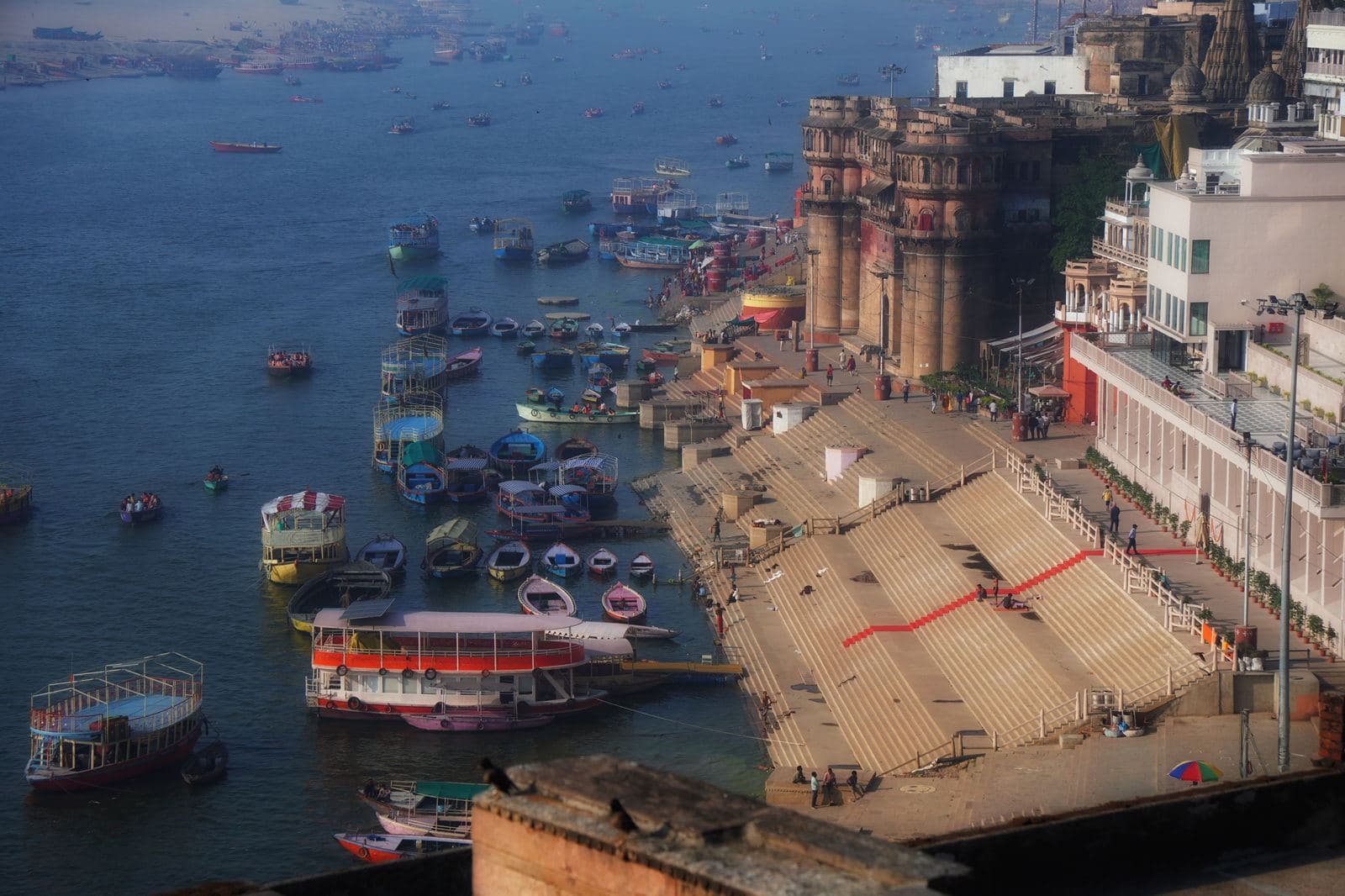
Walk north along the river from Dashashwamedh, and the air changes before you see anything: woodsmoke, and a pale haze over the water. Then the steps open out, stacked high with logs, and there are the fires, a dozen or more burning at once, each with a small knot of men standing around it in silence. Above them, the old buildings are blackened with centuries of smoke. This is Manikarnika, the great burning ghat of Kashi, and it has not been dark here, they say, for thousands of years.
Visitors come to Varanasi expecting to be confronted by death and are often surprised by how calm it is. Manikarnika is not a spectacle. It is a working place where families come to perform the last rite for someone they love, and where a community has tended the fires for generations. Understanding a little of what you are seeing is the best way to see it well.
Why families come to Manikarnika
Kashi is called Mahashmashana, the great cremation ground, and it is believed that Shiva himself presides over death here. Hindu tradition holds that to die in Kashi and be cremated at Manikarnika brings moksha, freedom from the cycle of birth and rebirth; the belief is that Shiva whispers the taraka mantra, the mantra of crossing over, into the ear of the dying. So families bring their dead to Varanasi from across India, sometimes driving through the night, and the elderly sometimes come to the city to spend their last days.
The name comes from a legend that an earring, a manikarnika, fell here from Shiva or from the goddess. Above the ghat is the Manikarnika Kund, a small sacred tank said to have been dug by Vishnu at the beginning of creation, and beside it a slab bearing Vishnu's footprints, the Charanpaduka. Bathing in the kund is part of the Panchatirtha, the five sacred baths of Kashi.
What happens at a cremation
The body is wrapped in cloth, white for men and older women, red or bright colours for married women, and carried through the lanes on a bamboo bier by the men of the family, who chant Ram naam satya hai, the name of Ram is truth. You will hear the chant before you see them, and you should step aside to let them pass.
- 1The last bath. At the ghat, the body is dipped in the Ganga and placed on the steps to dry.
- 2The pyre. Wood is weighed, bought and stacked by the workers of the ghat; families who can afford it add sandalwood.
- 3The fire. The chief mourner, usually the eldest son, his head shaved and dressed in white, walks around the pyre and lights it with fire taken from the ghat's sacred flame.
- 4The burning. A cremation takes several hours. Near its end, the chief mourner performs a final rite to release the soul.
- 5The ashes. The remains are given to the river, and the family bathes and goes home without looking back.
The cremations are carried out by the Dom community, who have held this work at Manikarnika for generations. They keep the sacred fire from which every pyre is lit, said to have burned continuously for centuries, and they manage the wood and the platforms. The head of the community has long been known as the Dom Raja. It is hard work, done in heat and smoke, and the families who depend on it are part of the life of the ghat.
“You are a guest at the most private moment in a family's life. Watch as you would wish to be watched.”
How to watch respectfully
- Watch from a boat or from the edge of the ghat
- Walk among the pyres or stand close to a family
- Dress modestly and keep your voice low
- Laugh, eat or treat it as a sight
- Step aside for processions in the lanes
- Block the path or film them
- Keep your camera down
- Photograph or film the cremations, the dead or the mourners
- Go with a guide you trust if you want to understand it
- Follow strangers who offer to explain it
| Do | Don't |
|---|---|
| Watch from a boat or from the edge of the ghat | Walk among the pyres or stand close to a family |
| Dress modestly and keep your voice low | Laugh, eat or treat it as a sight |
| Step aside for processions in the lanes | Block the path or film them |
| Keep your camera down | Photograph or film the cremations, the dead or the mourners |
| Go with a guide you trust if you want to understand it | Follow strangers who offer to explain it |
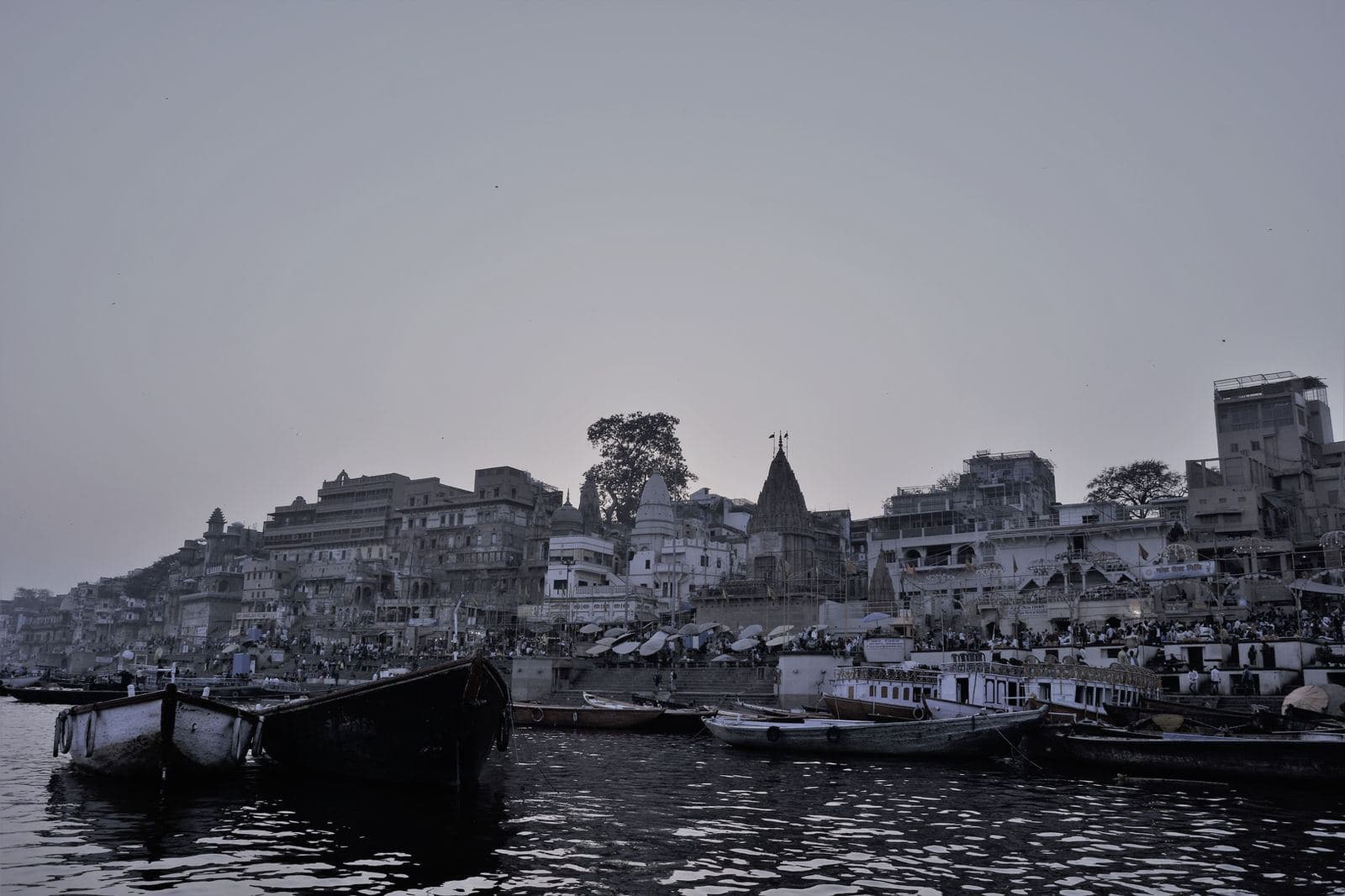
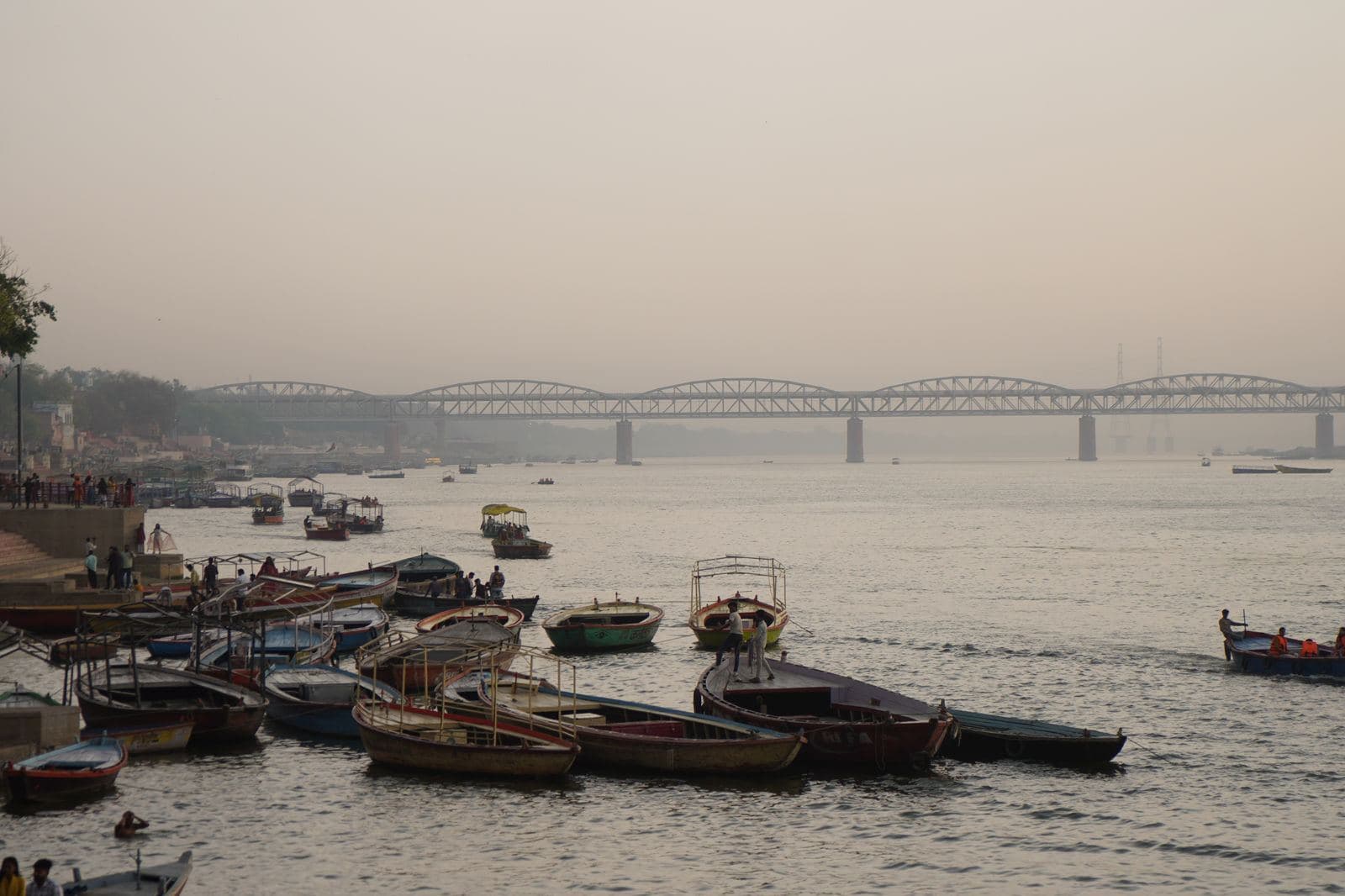
For most visitors, the best way to see Manikarnika is from a boat on the river, a little way out. It keeps you clear of the families and the work, and from the water you see the ghat whole, with the temples and the smoke-dark buildings above it. If you go on foot, stay at the edges and leave after a short while. Ten minutes is enough to understand; there is no need to linger.
Can you take photographs?
No: do not photograph or film the cremations, the bodies or the mourners. It is deeply hurtful to families, it is against the wishes of those who work at the ghat, and people will stop you, sometimes angrily. A distant view of the riverfront from a boat, with no individual pyre or person in it, is a different matter, but if in any doubt, keep the camera down. The memory will be clearer without it.
The scam to avoid
You may also be told that you must pay to watch, or that a particular person is in charge. There is no fee to stand at the ghat or watch from a boat. A licensed guide from a reputable company will explain the ghat from a respectful distance and will not ask you for donations.
Around the ghat
- Ratneshwar Mahadev: a temple just south of the ghat that leans sharply towards the river and spends much of the monsoon half underwater; it is one of the most photographed sights in Varanasi, best seen from a boat.
- Tarakeshwar temple: a Shiva temple on the ghat itself, dedicated to Shiva as the giver of the taraka mantra.
- Harishchandra Ghat: the city's second cremation ghat, near Kedar Ghat in the south, named after the legendary truthful king who worked here as a cremation attendant. It also has an electric crematorium.
- Kashi Labh Mukti Bhawan: a guesthouse near Godowlia where the dying come to spend their last days; by its rules, guests may stay for about two weeks.
Manikarnika today
Between about one and three hundred cremations take place here on a busy day; estimates vary and the numbers have always been hard to count. Since 2025, the ghat has been under redevelopment, with plans for new cremation platforms on two levels, seating for families and better sanitation. The work has been controversial, and parts of the ghat may be fenced or changed when you visit; the fires continue throughout.
Each spring, in the days before Holi, sadhus and devotees of Shiva gather at Manikarnika and Harishchandra for Masan Holi, played not with colour but with ash from the pyres, a reminder that in Kashi, death and celebration are never far apart. It is intense and crowded, and not for everyone.
Seeing it as part of Varanasi
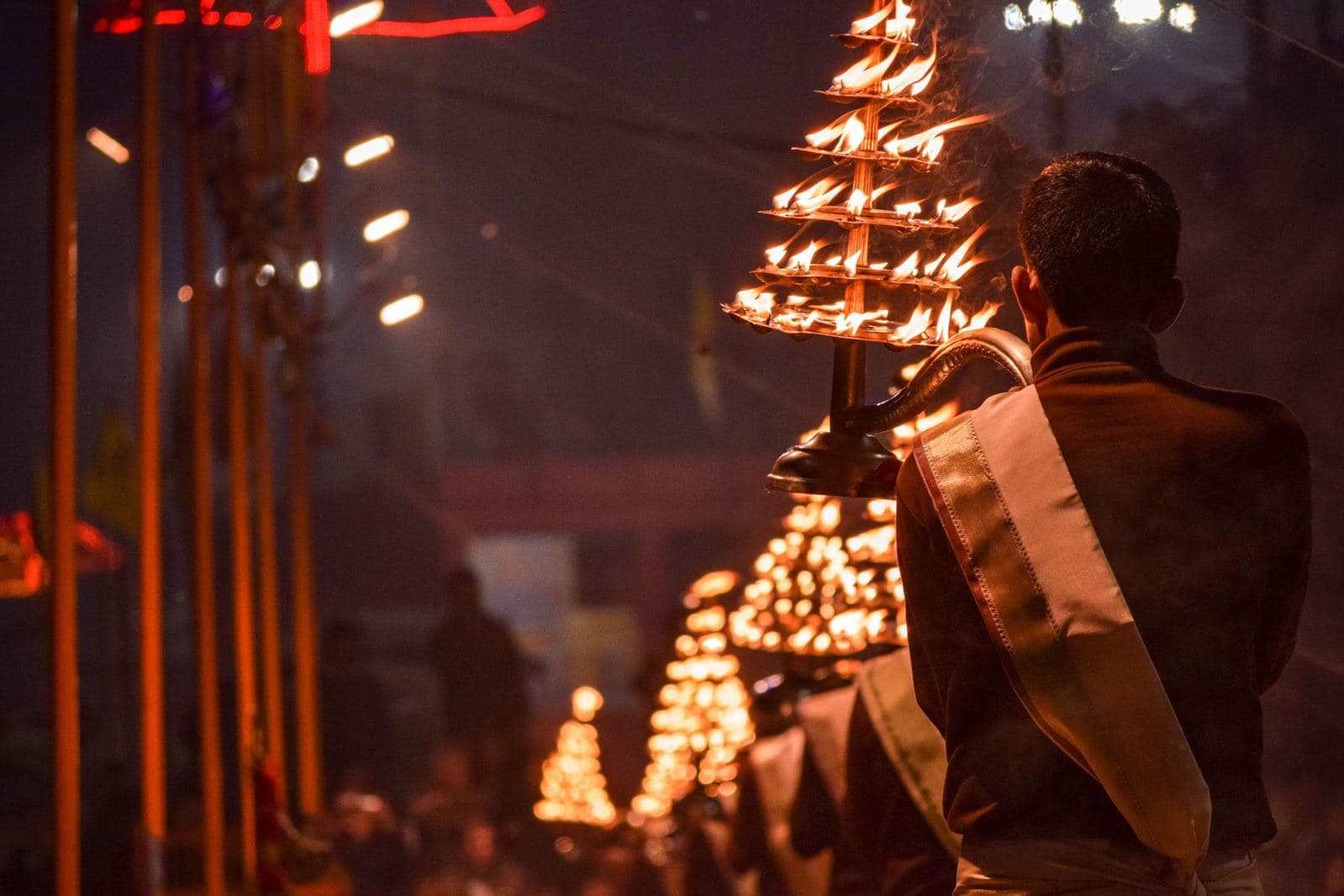
Manikarnika is best understood as part of the river's whole life: the bathing at dawn, the Aarti at dusk, the fires in between. On a sunrise boat ride, you will pass it as the city wakes. Read our story on Kashi, the city of light for more on why the city means what it does, and our guide to how many days to spend in Varanasi to fit it into a visit. On our journeys, we see the ghat from the river, with a guide from Kashi who can explain it.
Questions people ask
- Can tourists visit Manikarnika Ghat?
- Yes, quietly and at a distance. Watching from a boat on the river is the most respectful way for most visitors.
- Is photography allowed at Manikarnika Ghat?
- Do not photograph or film the cremations, the dead or the mourners. It is hurtful to families and people at the ghat will stop you.
- Why do people come to Manikarnika to be cremated?
- Hindus believe that dying in Kashi and being cremated at Manikarnika brings moksha, release from the cycle of rebirth.
- Should I give money for wood at Manikarnika?
- Politely decline anyone who approaches you for a wood donation. It is a well-known scam aimed at visitors.
- What is the other cremation ghat in Varanasi?
- Harishchandra Ghat, near Kedar Ghat in the south of the riverfront, which also has an electric crematorium.

About this guide
Written for the WanderMate Journal by our team in Varanasi, where we plan and run journeys along the Ganga. We check facts against official and published sources, listed below, and revise guides when timings, prices or dates change. Last updated 14 October 2026.
Spotted something out of date? Tell us.
Sources